The list of the top 10 most dangerous insects can vary depending on factors like region and specific criteria (e.g., deadliest bites, diseases transmitted). However, here’s a list of some generally considered dangerous insects:
1. Mosquitoes –

Transmit diseases like malaria, dengue, and Zika virus. Mosquitoes are small flying insects known for their irritating bites. They are responsible for transmitting diseases such as malaria, dengue fever, and Zika virus to humans. Mosquito control methods include using insect repellents, mosquito nets, and eliminating breeding sites like stagnant water.
2. Tsetse Flies –

Transmit African trypanosomiasis (sleeping sickness). Tsetse flies are blood-feeding insects found in sub-Saharan Africa. They are known for transmitting a parasite called Trypanosoma, which causes sleeping sickness in humans and a similar disease in animals. Controlling tsetse fly populations is crucial for preventing the spread of these diseases.
3. Kissing Bugs –

Transmit Chagas disease. kissing bugs can bite humans. They are blood-feeding insects that often bite around the lips or face, hence their name. Their bites can be painful, and in some cases, they can transmit a parasite called Trypanosoma cruzi, which causes Chagas disease. It’s important to take precautions if you live in an area where kissing bugs are common and seek medical attention if you suspect you’ve been bitten by one.
4. Sandflies –

Transmit Leishmaniasis. Sandflies are tiny insects belonging to the family Psychodidae. They are often found in sandy or marshy areas and are known for their blood-feeding habits, similar to mosquitoes. Sandflies can be vectors for diseases like leishmaniasis and can cause itchy bites in humans. Using insect repellent and wearing protective clothing can help reduce the risk of being bitten by sandflies in areas where they are prevalent.
5. Africanized Honey Bees –

Known for their aggressive behavior. Africanized honey bees, often referred to as “killer bees,” are a hybrid between African honey bees and European honey bees. They are known for their aggressive behavior and tendency to defend their nests vigorously. These bees were originally created through a breeding experiment in Brazil in the 1950s but have since spread to other parts of the Americas.
6. Bullet Ants –

Have one of the most painful stings in the insect world.Bullet ants, scientifically known as Paraponera clavata, are large, aggressive ants found in South America, particularly in rainforests and jungle regions. They are famous for having one of the most painful insect stings in the world. The name “bullet ant” comes from the belief that the pain of their sting is comparable to being shot.
The sting of a bullet ant is not usually fatal to humans but can cause intense, excruciating pain that can last for up to 24 hours. The pain is often described as burning, throbbing, and waves of agony. Bullet ants are used in some indigenous rituals as a test of endurance and bravery, where young boys must wear gloves filled with bullet ants as a rite of passage.
Bullet ants are known for their solitary foraging behavior, and their colonies are relatively small compared to other ant species. They primarily feed on nectar, sap, and small arthropods. These ants are also interesting because of their distinctive size, reaching up to 1 inch (2.5 cm) in length, and their reddish-brown to black coloration.
7. Assassin Bugs –

Can transmit Chagas disease. Assassin bugs are a diverse family of insects known for their predatory behavior. These bugs belong to the family Reduviidae, which includes over 6,000 species worldwide. Assassin bugs are highly skilled hunters and have adapted various strategies for capturing and feeding on their prey. Assassin bugs play a crucial role in controlling insect populations, making them valuable allies in agricultural ecosystems.
8. Driver Ants –

Swarm in large numbers and can be aggressive.
Driver ants are a type of aggressive, nomadic ant species found in various parts of Africa, Asia, and South America. They are known for their large colonies and their distinctive behavior of raiding other insect nests in massive swarms. These ants are often considered as one of the most dangerous and formidable ant species due to their sheer numbers and powerful mandibles. They are also known for their temporary nest constructions called bivouacs, which serve as resting and protection sites during their nomadic journeys.
9. Botflies –
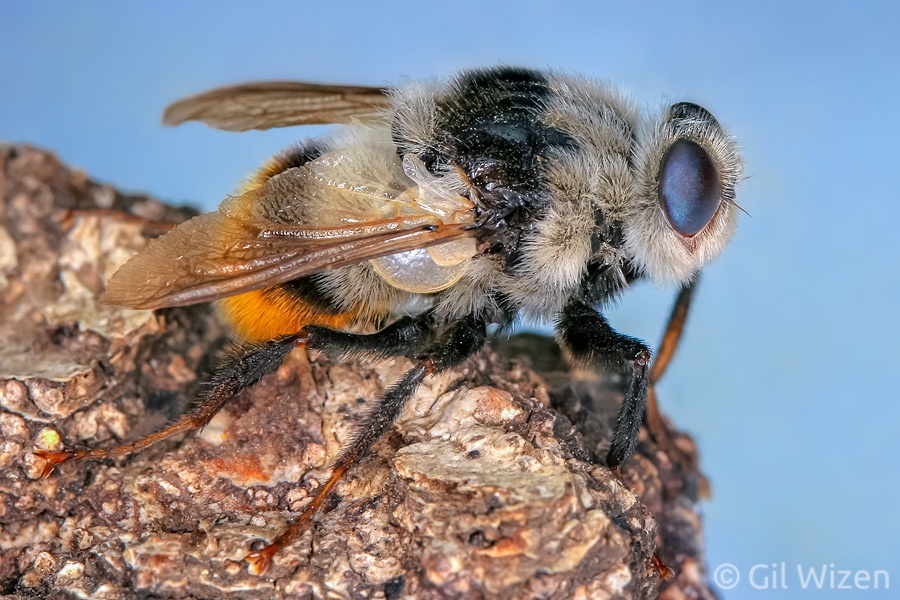
Larvae can parasitize humans and animals.
Botflies are a type of parasitic fly found in various regions around the world, including the Americas, Africa, and Asia. They are known for their unique life cycle, which involves parasitizing mammals, including humans, as hosts for their larvae. Botfly infestations in humans and animals can be uncomfortable and potentially harmful, but they are usually not life-threatening. Removing the larva from the host’s skin is typically necessary to prevent further complications.
10. Asian Giant Hornets –

Deliver painful stings and can be deadly in large numbers. Asian giant hornets, scientifically known as Vespa mandarinia, are the largest hornet species in the world. They are primarily found in various parts of Asia, including Japan, China, Korea, and Southeast Asia. Here are some key characteristics and facts about Asian giant hornets. Efforts are made in some regions to control and manage Asian giant hornet populations to protect honeybee colonies and reduce the risk to humans. In areas where these hornets are prevalent, it’s essential to exercise caution and seek professional help for nest removal if needed to minimize risks.
Remember that while these insects can be dangerous, most of them won’t pose a threat unless provoked or encountered in specific regions where they carry diseases. It’s essential to take precautions when traveling to such areas.
 single shots
Leave a comment